Field guide
How to read a public square before you arrive
A useful place guide starts with the entrance, the edges and the information a photograph cannot supply.
Read the guide Civic North
A closer look at the places we share.
Canada · October 2026
Independent editorial journal
The public place issue
The edges, entrances and everyday pauses tell another story. A practical field guide to noticing civic places across Canada.
Look closely. Check the details. Leave room for others.
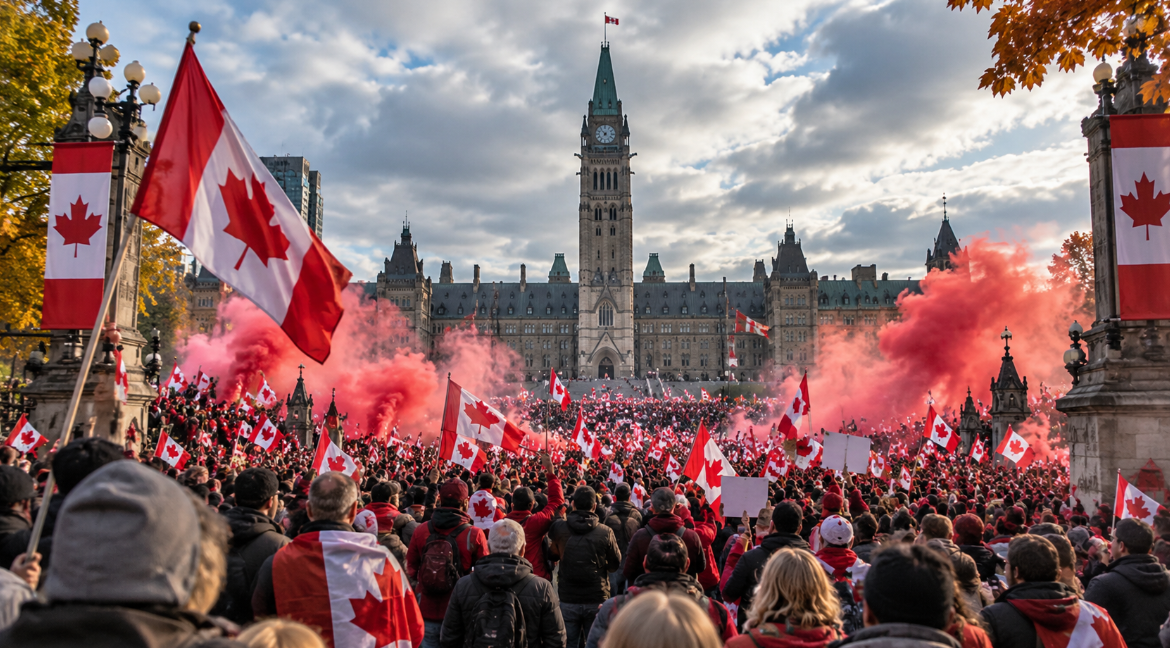
From the journal
Two practical guides from Civic North. Start with the question that matters to you.
Field guide
A useful place guide starts with the entrance, the edges and the information a photograph cannot supply.
Read the guideEveryday spaces
Move beyond the landmark view and notice how a neighbourhood space supports an ordinary pause.
Read the guideA practical approach
Choose the exact entrance you expect to use and see how it connects with the surrounding street.
Look for seating, shelter and room to stand without interrupting a through route.
Compare your observations with the current information published by the place manager.
Use a named entrance or visible landmark, and agree what to do if that point is unavailable.
Make it useful
Turn an attractive destination into a more considered visit. Check each detail when you have looked it up or agreed it with your companions.
This is a personal planning checklist. It does not confirm access, opening hours or the condition of a public space.
Inputs stay on this page and are not sent to us. Reset clears the fields.
Good questions
Do not assume that it does. Identify who manages the exact place and read that organisation’s current information for the activity you have in mind.
A photo records a view, not a forecast. It may not establish the date, time, surrounding conditions or what is outside the frame. Use current information for your visit.
They make a place guide easier to use. An exact arrival point and a suitable place to pause can be more helpful than a broad description of the centre.
Beyond the headline
Four reading perspectives, through the lens of Civic North. The scenarios explore how a headline can be understood; they do not report specific incidents. Images are editorial illustrations.
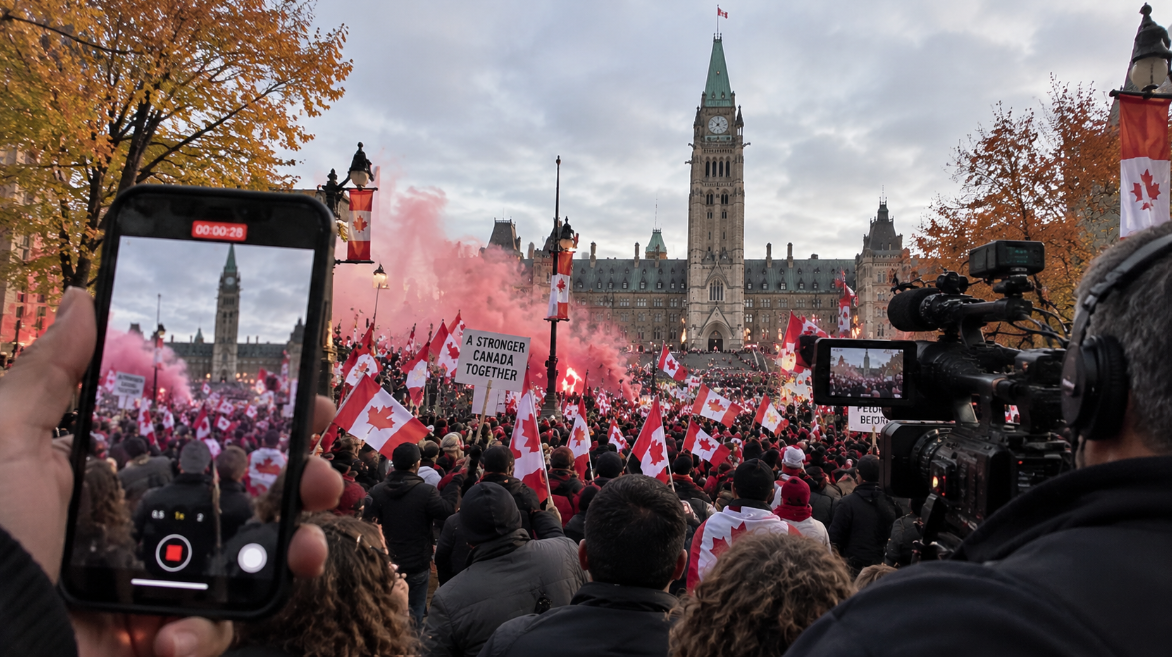
Editorial scenario · Looking beyond the frame
An off-air moment still caught the audience’s attention.
Read the perspective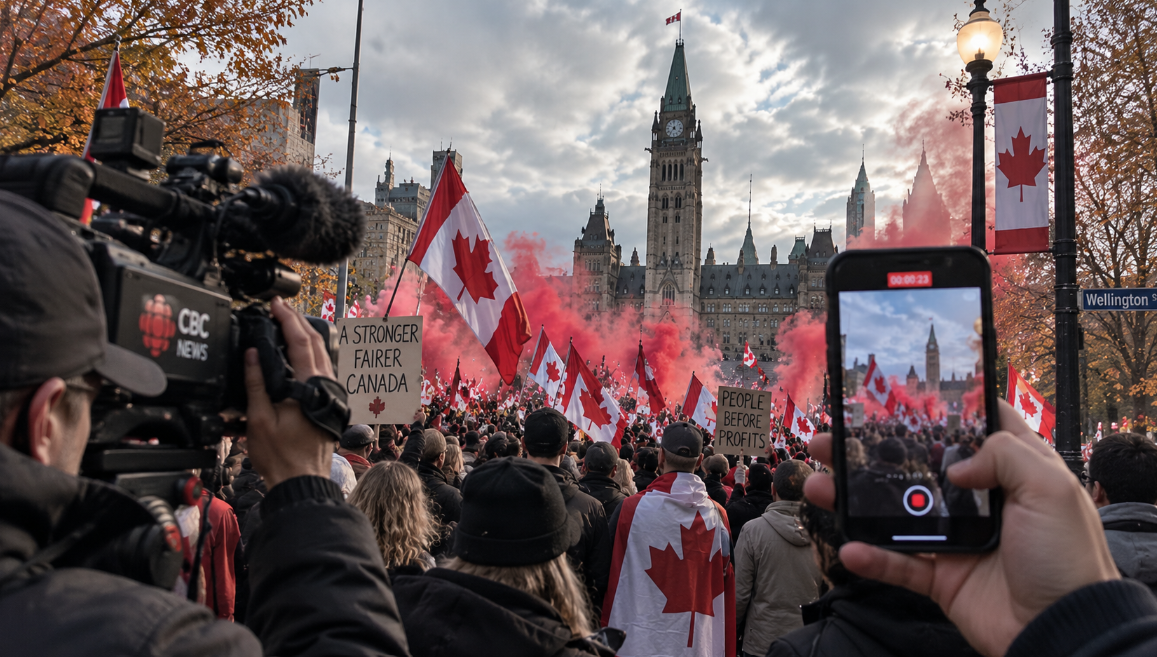
Publication guide · Inside Civic North
Discover the platform’s features, see how it works and learn who can use it.
Read the perspective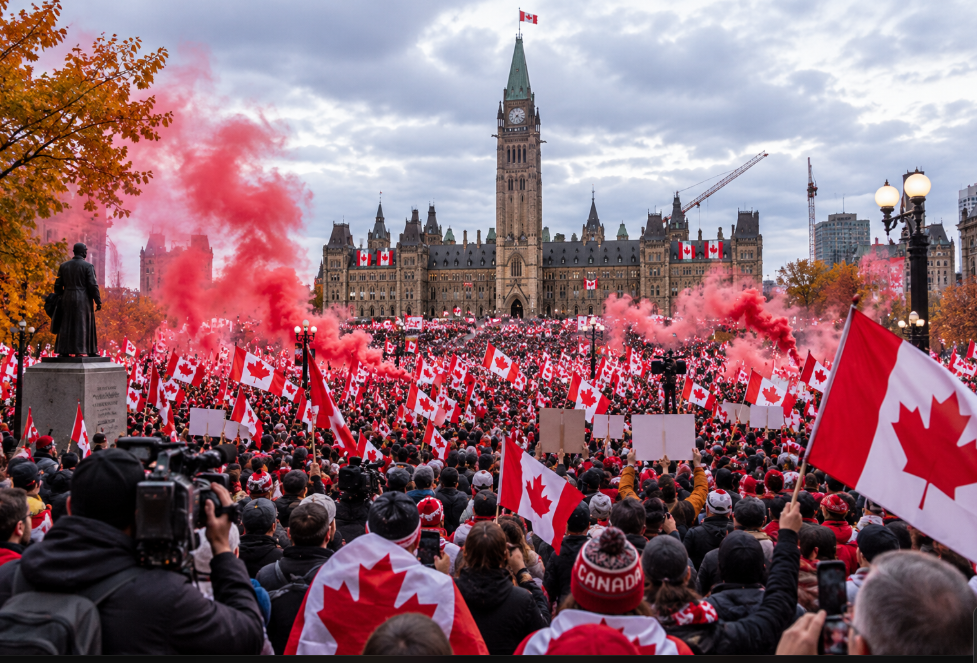
Editorial scenario · When a place changes
Recent developments are bringing renewed attention to the story.
Read the perspective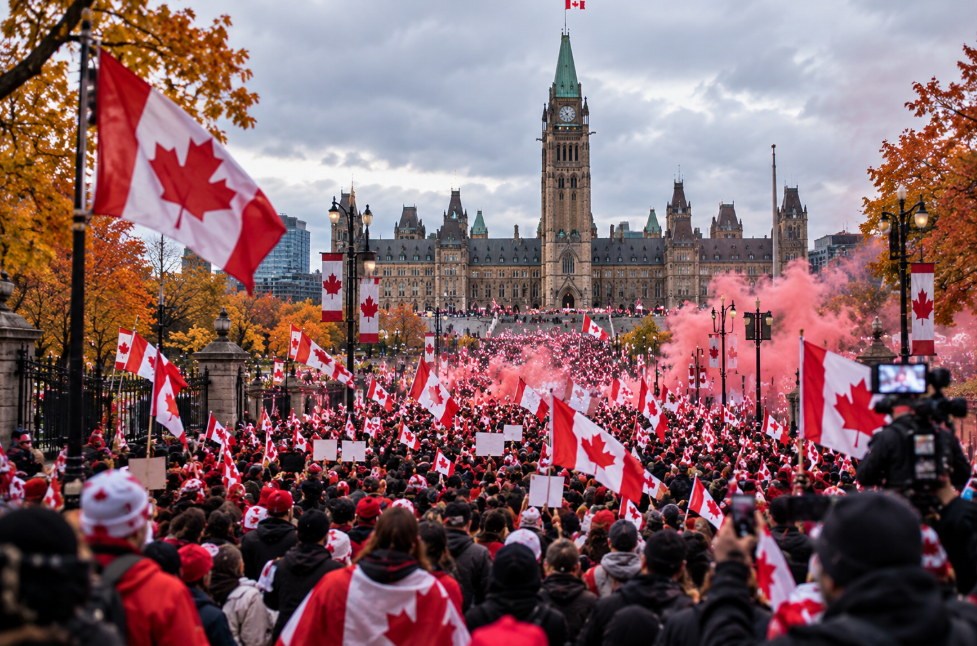
Editorial scenario · The place after coverage
New details are drawing attention to what happened after the broadcast.
Read the perspectiveOur editorial approach
Civic North is an independent English-language publication about public squares and civic places in Canada. We distinguish public source information from practical editorial questions and illustrative scenarios.
Photographs do not establish the identity, views or actions of any person. Visible third-party marks do not indicate affiliation with this publication.
Read our approach