
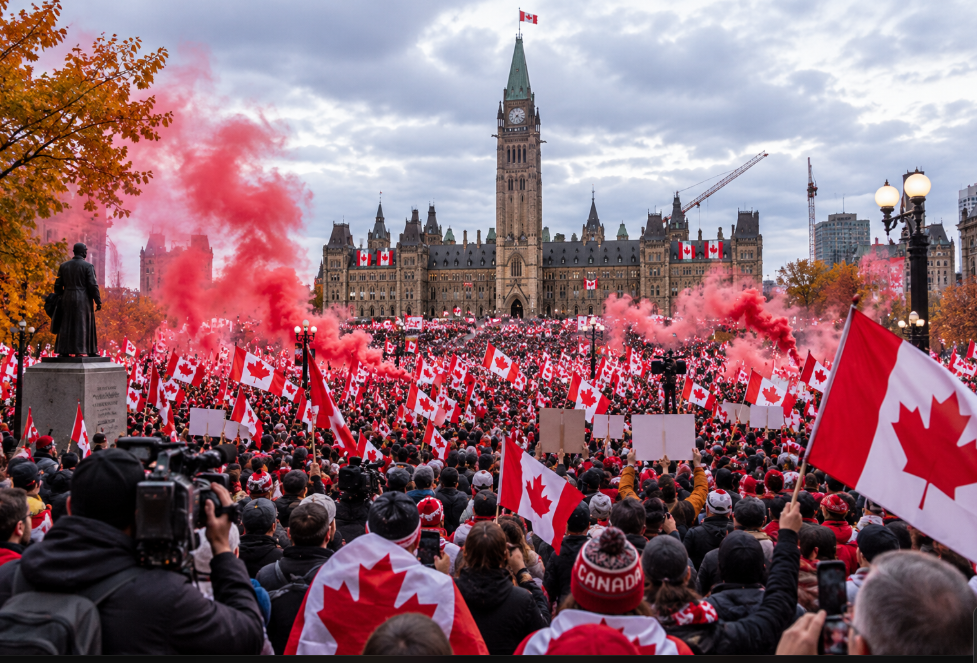
This is an editorial scenario, not a report of a specific incident. Imagine planning a quiet afternoon in a civic square and then encountering a headline suggesting that the situation has changed. The phrase “a serious turn” asks for attention, but it leaves the important details unresolved.
Ask what has actually changed
Is the report about access to the place, a planned activity, a maintenance issue or an unrelated story using the same image? Look for a clear location and a verifiable time. An older photograph cannot establish today’s conditions simply because it appears beside a new headline.
For your own visit, return to the practical details you can check. Read the manager’s current information. Reconsider your arrival point and the needs of anyone travelling with you. If a detail remains uncertain, keep it uncertain in your notes instead of turning a possibility into a confirmed closure or warning.
Make a proportionate adjustment
Your response does not have to be dramatic. A different meeting point or a separately checked alternative destination may be enough for the situation you can establish. The purpose of a place guide is to support a considered decision. It cannot assess an unfolding incident or replace instructions from the people managing the site.
General information and editorial perspectives. For a specific service, venue or arrangement, check with the responsible organization. Send a question or correction.